Is August a Good Time to Buy a Used Car in NJ? A Data-Based 2026 Answer
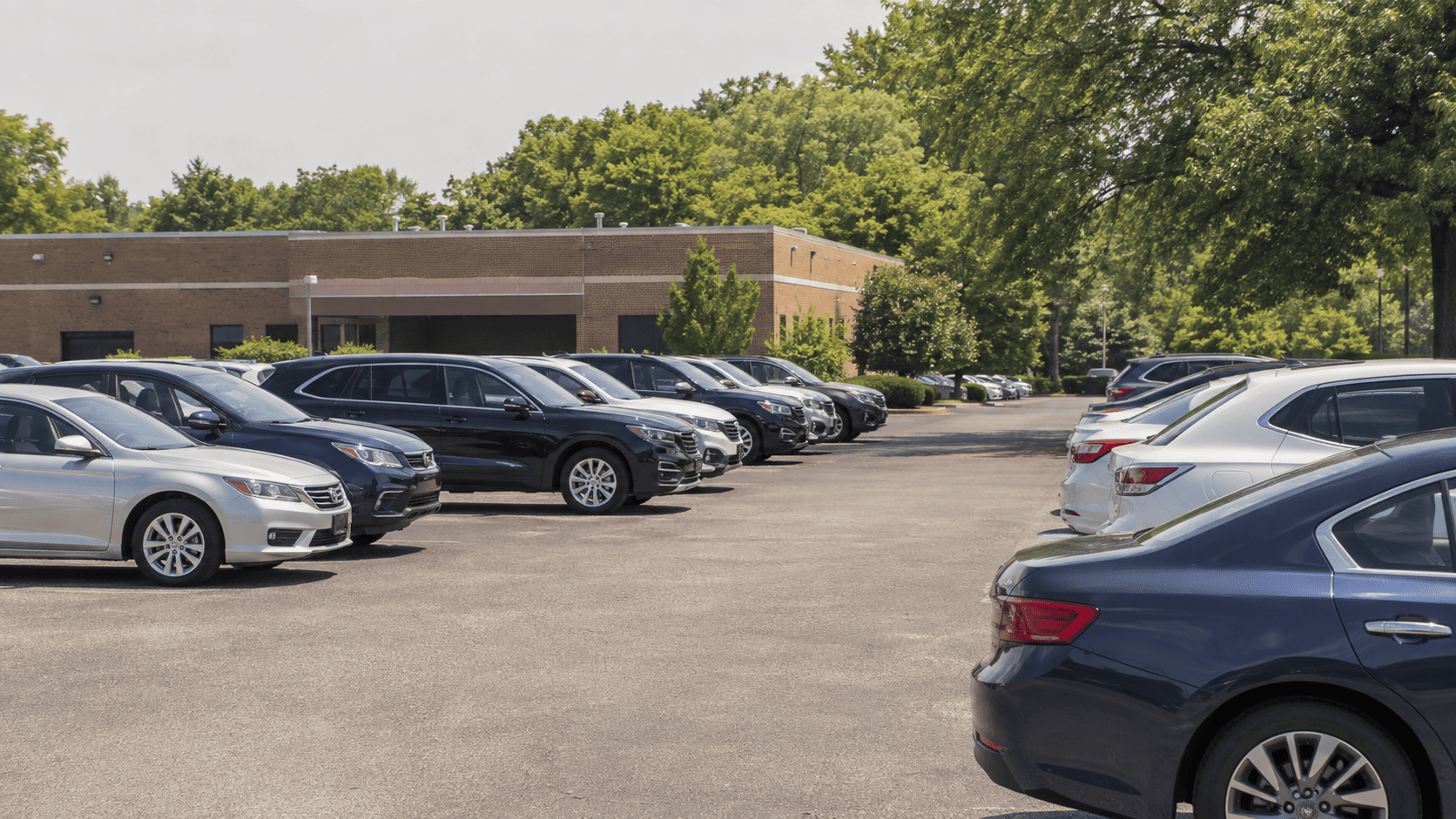
August can be a smart buying month, but the right decision depends on the car, the full price, and the economic signals that affect what you will pay after the sale.
A family may need a second car before school starts. A commuter may be tired of paying for repairs. Another buyer may have time to wait for prices or financing costs to improve. Those shoppers should not receive the same advice.
The direct answer: August 2026 is a reasonable time to buy a used car in New Jersey if you need one soon and find a well-inspected vehicle at a fair out-the-door price. It is not automatically the cheapest month. National data show a small recent increase in used-vehicle prices, even though prices remain below last year's level. Inflation, fuel costs, repair expenses, local inventory, and your financing offer matter more than the month printed on the calendar.
Key takeaway: buy the right car, not the month. CARZ4US provides a free CARFAX report with every vehicle purchase and inspects each vehicle with a 120 point inspection before listing it. Still compare the total price, review the history, test-drive the car, and verify that it fits your budget.
Quick Answer: Is It the Best Time to Buy a Used Car in NJ?
| Your situation | Best move | Why |
|---|---|---|
| You need a reliable car within 30 to 60 days | Buy when the right car passes your checks | Waiting can leave you with fewer practical choices or more repair costs on your current car. |
| Your current car is reliable and your target model is easy to find | Watch the market for 30 to 45 days | You can compare more listings and review the next inflation update without taking much risk. |
| The payment only works with a long loan term | Pause and compare financing | A lower sticker price can still become an expensive purchase when interest and add-ons are included. |
| You found a clean-history car at a fair total price | Move forward after inspection and a test drive | The condition of one specific used car matters more than a general seasonal rule. |
For buyers searching for the best time to buy a used car in NJ, August is best treated as a decision window, not a guaranteed sale. The strongest reason to act is a real transportation need. The strongest reason to wait is flexibility combined with an unfavorable price or loan offer.
What the August 2026 Data Actually Says
The latest government data gives buyers a mixed signal. Used vehicles are cheaper than a year ago, but the most recent monthly reading moved up. At the same time, general inflation, gasoline, and repair costs remain important parts of the ownership budget.
| Market signal | Latest reading | What it means for an NJ buyer |
|---|---|---|
| Overall inflation | Up 3.4% year over year in July | Household costs are still rising, so leave room in the budget after the down payment. |
| Used cars and trucks | Up 0.4% in July; down 1.9% year over year | Prices are below last year overall, but the latest month does not show a clear downward trend. |
| Maintenance and repair | Up 6.6% year over year | Keeping an unreliable vehicle longer can erase a small saving from waiting. |
| Central Atlantic regular gas | $4.094 per gallon on Aug. 24; up $0.968 from a year earlier | Fuel economy should affect the model you choose, especially for a long commute. |
| Brent crude oil forecast | About $85 per barrel from July to Sep 2026; forecast to fall to about $78 from Oct to Dec 2026 | Oil pressure may ease later in 2026, but the forecast does not guarantee lower used-car prices. |
Official sources: U.S. Bureau of Labor Statistics, July 2026 CPI; detailed vehicle cost table; U.S. Energy Information Administration fuel prices; August 2026 oil outlook.
The useful conclusion is not simply "buy now" or "wait." Purchase prices have not returned to last year's level, but the July increase means buyers should not assume that every extra month will produce a cheaper car. High fuel and repair costs also change which vehicle represents the better value.
Buy Now or Wait? Use These Four Signals
1. The price of the exact car, not the market average
A national index cannot tell you whether one Honda CR-V, Toyota Camry, or Ford F-150 is fairly priced. Compare at least three vehicles with a similar model year, mileage, trim, drivetrain, accident history, and service record. If one vehicle costs more, identify what the extra money buys.
2. Your current car's next likely expense
List any repair due in the next six months, including tires, brakes, suspension work, leaks, or a warning light diagnosis. Waiting for a possible $500 price reduction makes little sense if your present car needs $1,500 of urgent work. On the other hand, a reliable paid-off car gives you the freedom to be patient.
3. Your real financing cost
Compare the annual percentage rate, amount financed, loan term, and total of payments. Do not judge affordability only by the monthly payment. Extending a loan can lower the payment while increasing the total interest and keeping you in debt longer.
4. Fuel cost for your actual commute
High oil and gasoline prices do not make every used car more expensive at once. Their immediate effect is on ownership cost and buyer demand. When fuel is costly, an efficient sedan, hybrid, or compact SUV may protect your monthly budget better than a larger vehicle with a slightly lower purchase price.
A simple August 2026 rule: If you need a car, the vehicle passes the history and condition checks, and the out-the-door price fits without stretching the loan, buying now is defensible. If your current car is reliable and the deal depends on a long term or unwanted add-ons, wait and compare again after the next data release.
Back to School Car Buying: What NJ Families Should Prioritize
Back to school car buying creates a deadline, but urgency should not lower the standard. A first-time driver needs a safe, predictable car with manageable running costs, not the most features for the money.
- Safety and recalls. Check the vehicle identification number for open recalls, confirm the airbags and driver-assistance features on that exact vehicle, and review the tire condition.
- Documented history. Review the CARFAX report for ownership, reported accidents, title information, mileage, and service entries. A clean report is useful, but it does not replace a physical inspection.
- Brakes, tires, and visibility. Test braking response, measure tire tread, check the windshield, and confirm that lights, wipers, cameras, and defrosters work.
- A realistic ownership budget. Include insurance, fuel, routine maintenance, registration, and an emergency repair reserve before choosing the price range.
- Daily fit. Make sure the driver can see clearly, park comfortably, connect a phone without distraction, and carry the passengers or equipment they actually transport.
A plain vehicle with a strong maintenance record is usually a better school-year choice than a loaded model with missing records or worn tires. CARZ4US vehicle pages provide access to a free CARFAX report, which makes it easier to remove unsuitable cars from the list before a visit.
End of Summer Car Deals NJ Buyers Should Evaluate Carefully
Used car deals in August for NJ shoppers should be measured against the full transaction, not a sale banner. A lower advertised price can be offset by fees, add-ons, expensive financing, or near-term maintenance.
| Check | Good sign | Reason to pause |
|---|---|---|
| Out-the-door price | Taxes and every fee are itemized in writing | The seller only discusses the monthly payment |
| Vehicle history | VIN and CARFAX are available before purchase | History information is delayed or unclear |
| Condition | You can test-drive and inspect the car carefully | Warning lights, vibration, uneven tire wear, or fresh fluid leaks |
| Financing | APR, term, amount financed, and total payments are clear | The payment is reduced mainly by extending the loan |
| Add-ons | Optional products are explained and priced separately | Products appear without clear consent or pricing |
End-of-month timing can create room for a conversation, but no buyer should assume a dealership must discount a specific used car. Unlike a new vehicle, a used car is one unit with its own mileage, history, condition, and acquisition cost. A fair comparison is more powerful than a calendar theory.
A 20-Minute August Buying Plan
- Set two limits: the maximum out-the-door price and the maximum total monthly transportation budget.
- Choose three comparable vehicles from current inventory. Match the year, mileage, trim, drivetrain, and history as closely as possible.
- Open the CARFAX report for each vehicle and note accident, title, ownership, mileage, and service details.
- Call your insurer with each VIN. Insurance can change which car is truly affordable.
- Test-drive the best candidate on local streets and at highway speed. Check steering, braking, transmission response, visibility, climate control, and warning lights.
- Ask for the complete out-the-door price in writing. Review the sale price, documentation fee, taxes, title and registration costs, add-ons, and financing separately.
Related guide: use this NJ used car buying checklist at the dealership.
NJ Inspection Rules Still Make a Pre-Purchase Check Important
A current New Jersey inspection sticker is not proof that the brakes, tires, suspension, frame, or transmission are in good condition. The state's passenger-vehicle inspection program focuses on emissions. Ask to see the underside of the car, especially after years of exposure to road salt, and look at the frame, exhaust, brake lines, fluid leaks, and uneven tire wear.
Verify the current program details with the New Jersey Motor Vehicle Commission. CARZ4US states that every listed vehicle receives a multi-point mechanical and safety inspection and that every vehicle sold is guaranteed to pass New Jersey State Inspection at the time of sale. Review the purchase documents for the terms that apply to your vehicle.
What to Watch If You Decide to Wait
A patient buyer should set a review date instead of waiting indefinitely. Check these items again in 30 to 45 days:
- The next BLS used cars and trucks CPI reading. A second monthly increase would weaken the case that prices are steadily falling.
- Fuel prices and the EIA oil outlook. Lower fuel costs may reduce urgency, but they will not affect every vehicle segment equally.
- Local supply for your exact model and price range. More listings help comparison; fewer good matches increase the cost of waiting.
- Your financing quotes. A better APR can save more than a small change in the vehicle price.
- Your current car's condition. New repair needs can quickly change the decision.
This is the practical advantage of using economic trends: they create a checkpoint, not a prediction. No report can guarantee that one used vehicle will cost less next month.
Find the Right Used Car at CARZ4US
CARZ4US has New Jersey showrooms in South Hackensack and Pine Brook. Every vehicle is inspected before listing, and a complimentary CARFAX vehicle history report is provided with the purchase of every vehicle. Inventory, pricing, and availability can change, so compare current listings and confirm the complete price for the vehicle you choose.
Browse current CARZ4US inventory or get pre-qualified before visiting. Financing is subject to lender approval.
- South Hackensack: 368 Main St, South Hackensack, NJ 07606
- Pine Brook: 20 US-46, Pine Brook, NJ 07058
- Hours: Monday through Saturday, 10 a.m. to 7 p.m.; closed Sunday
- Phone: (855) 227-9487
FAQ
Is August 2026 a good time to buy a used car in NJ?
Yes, if you need a car soon and find the right vehicle at a fair out-the-door price. July data showed used cars and trucks up 0.4% for the month but down 1.9% over the year. That makes August a reasonable time to compare and buy carefully, not a guaranteed lowest-price month.
Should I wait until fall or winter to buy?
Wait if your current car is reliable, your target vehicle is easy to find, and the available price or financing is not competitive. Do not wait only because a general article says another month is always cheaper. Recheck the used-vehicle index, local inventory, financing quotes, and your current repair needs in 30 to 45 days.
Do high oil prices mean used car prices will rise?
Not automatically. Oil and gasoline prices affect driving costs and can shift demand toward more efficient vehicles. Used-car prices also depend on supply, new-car affordability, trade-ins, lending, and the condition of each vehicle. Treat oil as one signal, not a price forecast.
What matters most in a back-to-school used car?
Prioritize safety, recalls, tires, brakes, documented maintenance, insurance cost, fuel economy, and a comfortable driving position. Features and appearance come after the vehicle